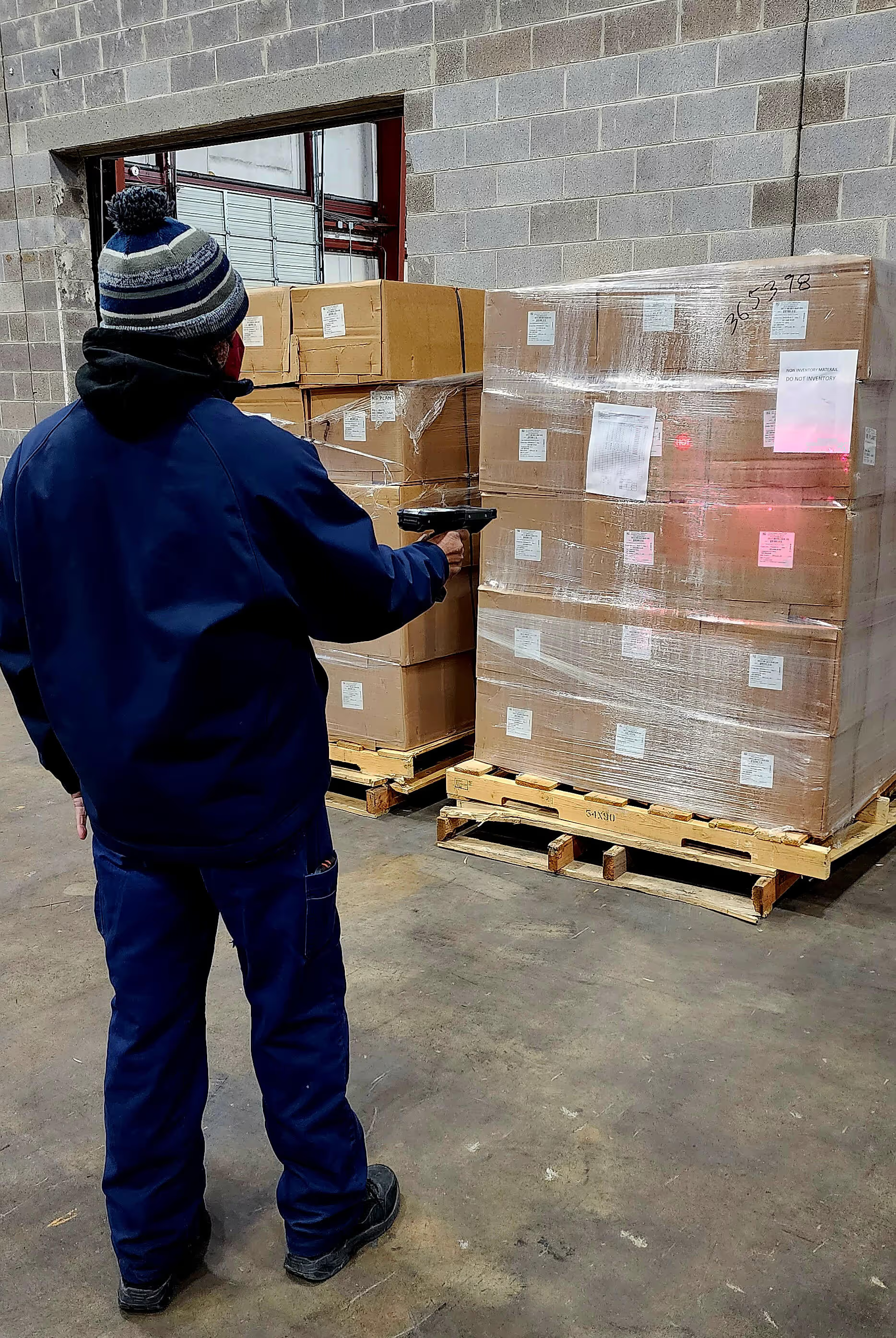
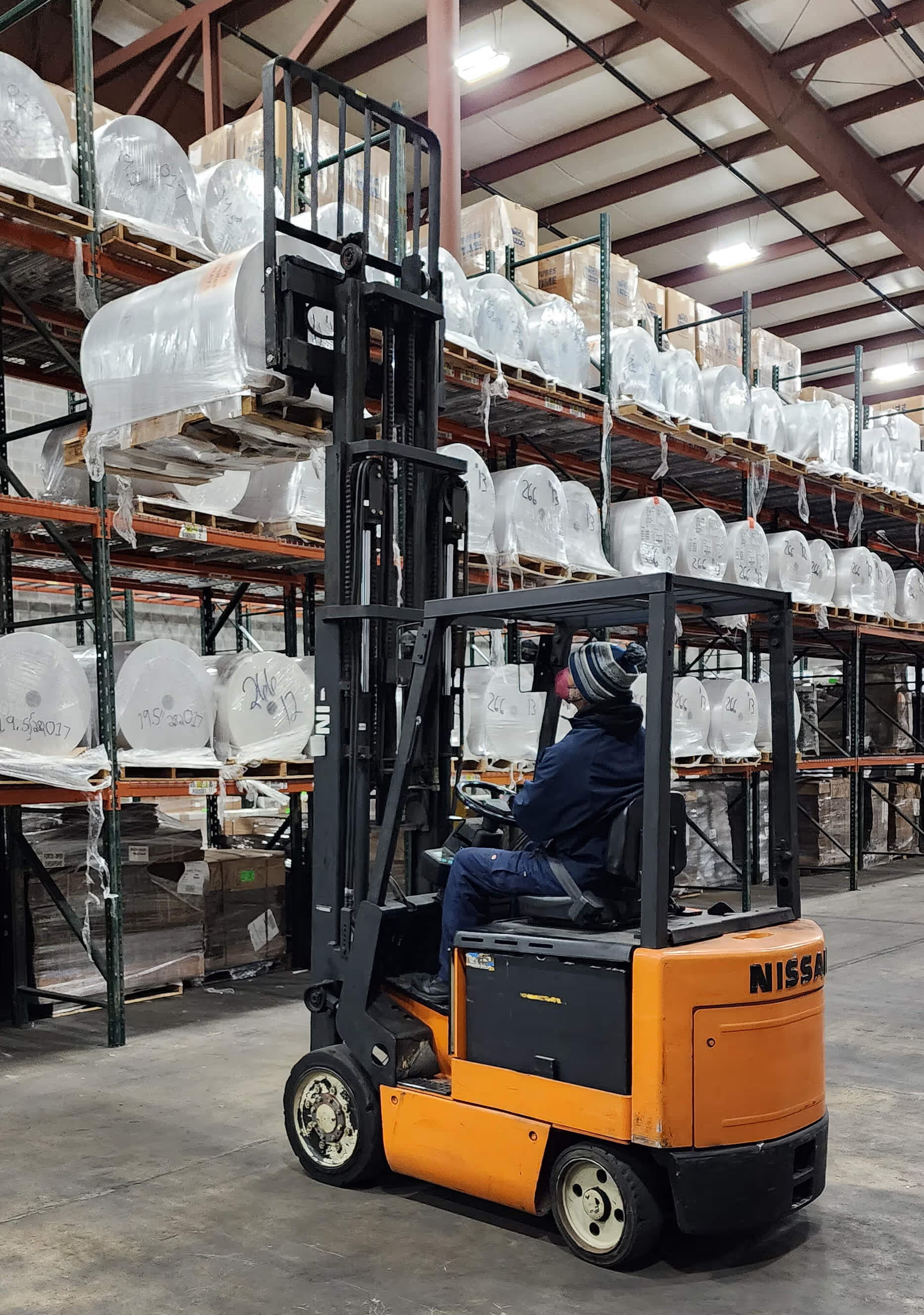
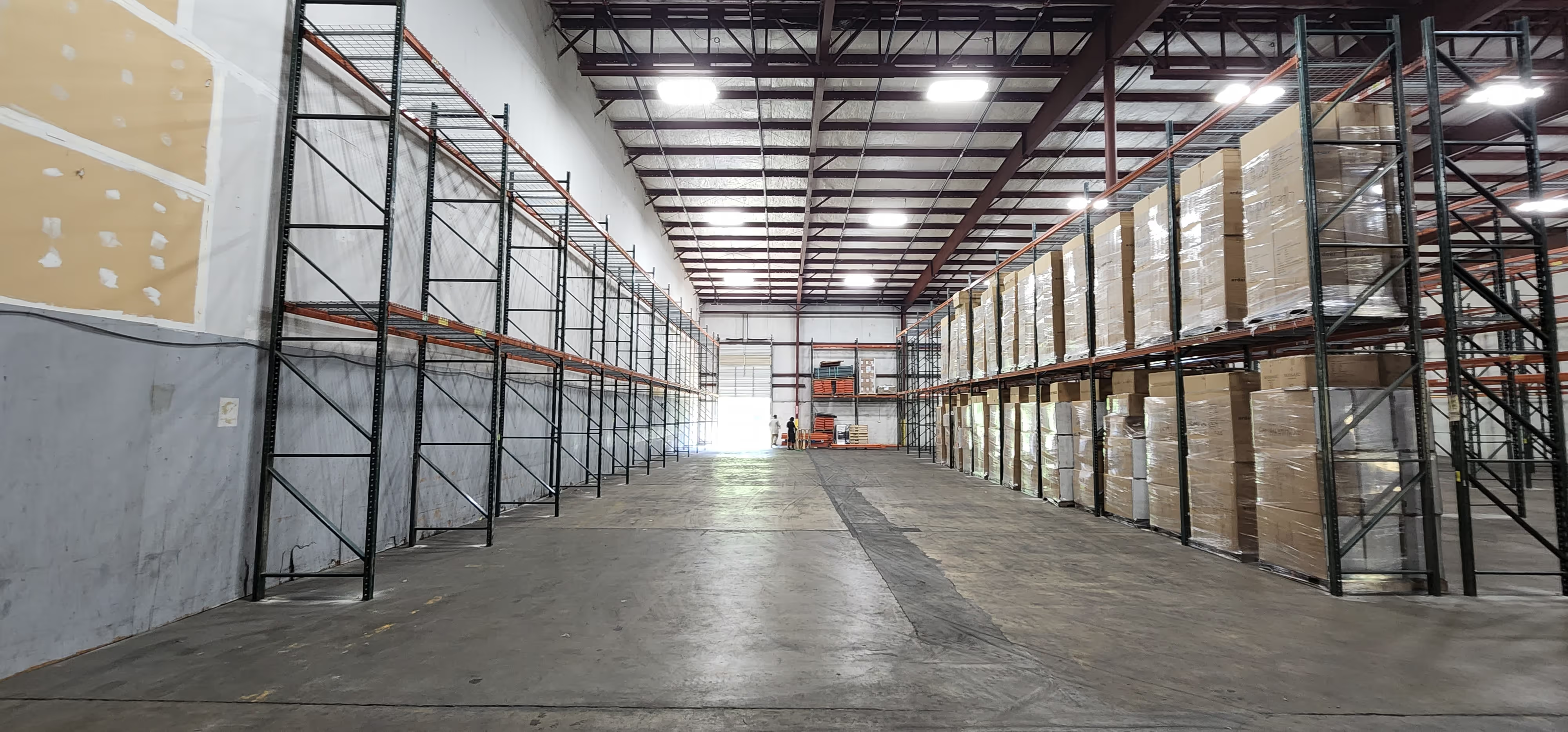
Streamline your supply chain, reduce fuel costs and save big on time, money and safety.
Forget unrecognized handoffs down the supply chain and unpredictable service. With Precision Transport, you get an expert provider who is there from the moment your goods arrive at port to the moment they reach the final destination.
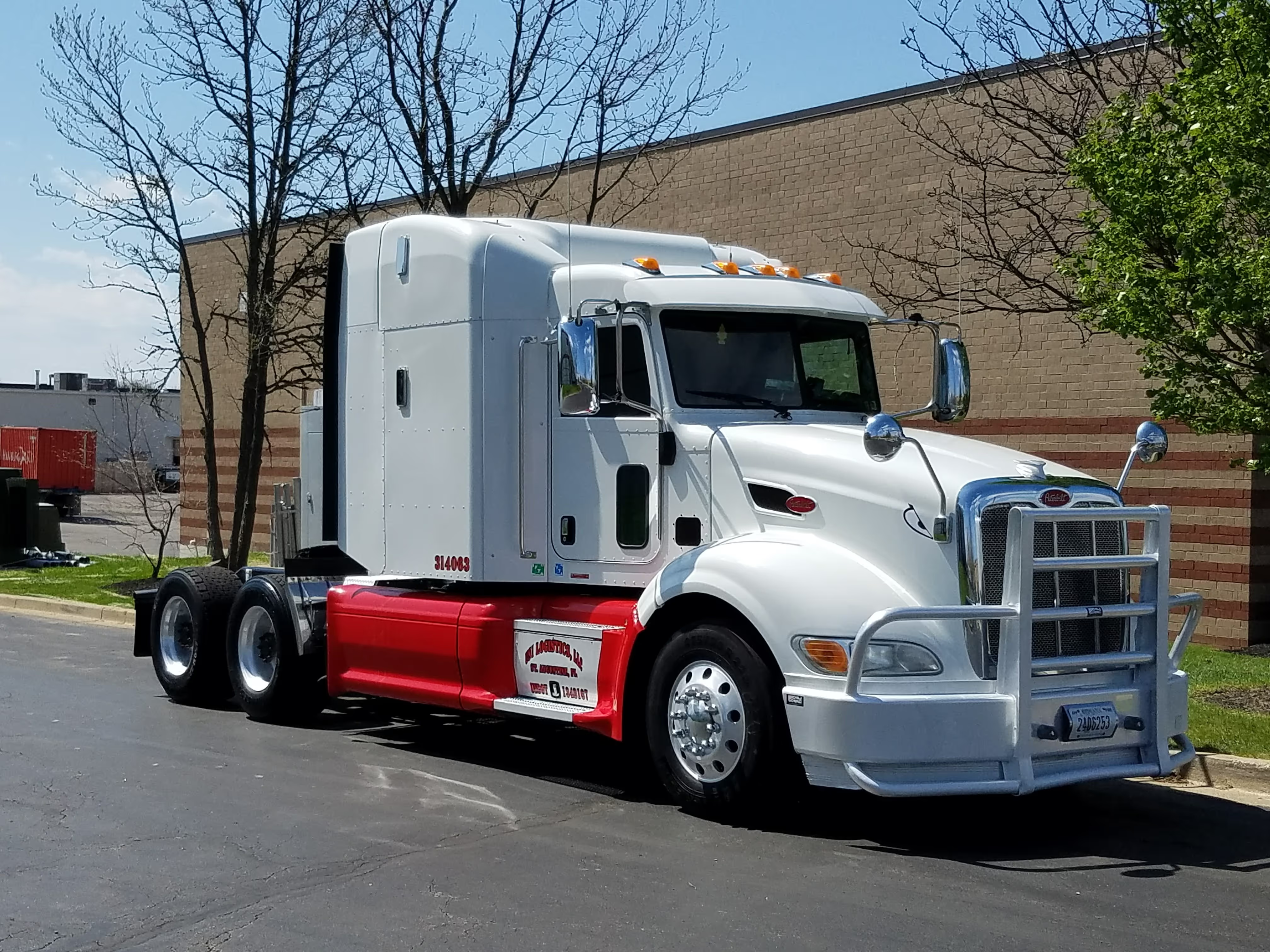
Whether you’re looking for regional, long haul or freight- we’ve got a varied fleet of drayage carriers to choose from so you have immediate access to GPS tracked, Precision Transport-owned tractors and containers, along with an all-star network of logistics professionals stationed at all major rail ramps and Ports across the lower 48 states.
The options and solutions are limitless at Precision Transport, and with over 50 years of experience, you can trust that we know the logistics game inside and out so you never have to worry about the most strategic plan of action- we get it right the first time, every time.
Questions and answers about Precision Transport services
Yes. Temperature-controlled containers are available for intermodal shipments, allowing perishable and temperature-sensitive goods to be shipped safely across multiple transportation modes.
Intermodal is most cost-effective for consistent, high-volume shipments traveling long distances. If your freight is not time-critical and you’re shipping over 700 miles, intermodal can save 10-40% compared to over-the-road trucking alone.
Shippers generally cannot book directly with railroads for intermodal moves. Precision Transport serves as your intermodal service provider, handling all coordination between truck and rail carriers so you have a single point of contact.
Every intermodal container has standardized ISO identifiers that enable tracking across all transportation modes. Precision Transport provides shipment visibility through our customer portal so you can monitor your freight from origin to destination.
Intermodal shipping offers significant cost savings on long-haul routes (especially over 700 miles), reduced carbon emissions, less cargo handling (which means less damage risk), and access to rail networks that can move one ton of freight nearly 500 miles on a single gallon of fuel.
Intermodal shipping moves cargo using multiple modes of transportation — typically truck, rail, and/or ocean — with standardized containers that transfer seamlessly between modes. This eliminates the need to unload and reload freight at each transition point.
Tool and strategies modern teams need to help their companies grow.